Featured Book:
EU Informal Debt Collection Regulation: Failure by Design?
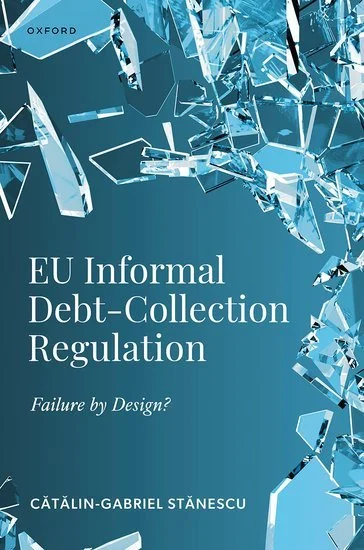
Published by Oxford University Press in 2025, EU Informal Debt Collection Regulation: Failure by Design? examines the legal and institutional architecture of informal debt collection in the European Union. The book argues that regulatory failures in this area are not merely accidental or technical, but structural. It combines comparative legal analysis, empirical material, and critical perspective to show how fragmented regulation, weak remedies, and institutional choices leave consumer-debtors exposed while allowing the debt collection industry to expand and consolidate. The result is a study of debt collection not as a marginal issue, but as part of a broader system of consumer finance, market governance, and financial vulnerability.
The book is written for scholars, practitioners, policymakers, and anyone interested in consumer law, private law, financial regulation, and the political economy of credit. It is also intended as a broader intervention: a challenge to the complacent assumption that systems presented as protective are necessarily designed with protection in mind. As several reviewers note, the book offers not only a doctrinal analysis of EU law, but a wider account of the economic and institutional ecosystem in which informal debt collection operates.
Available as open access.
Links: Publisher page | Open-access PDF |
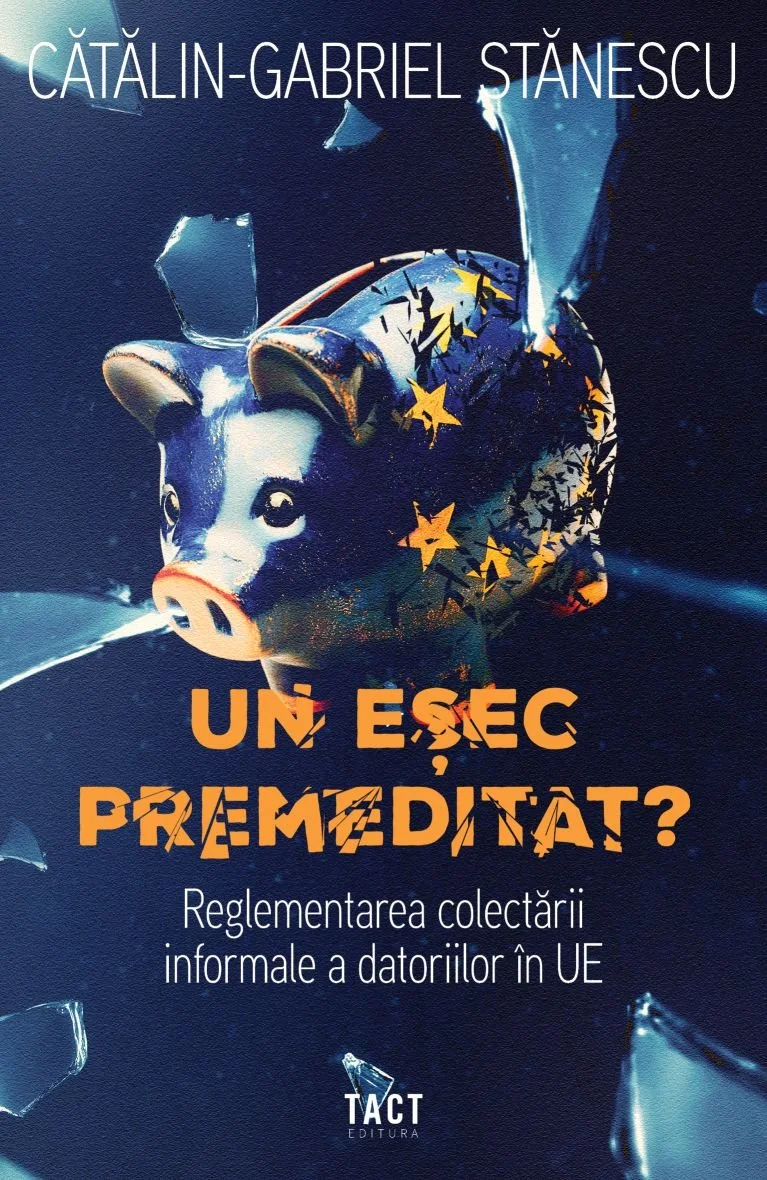
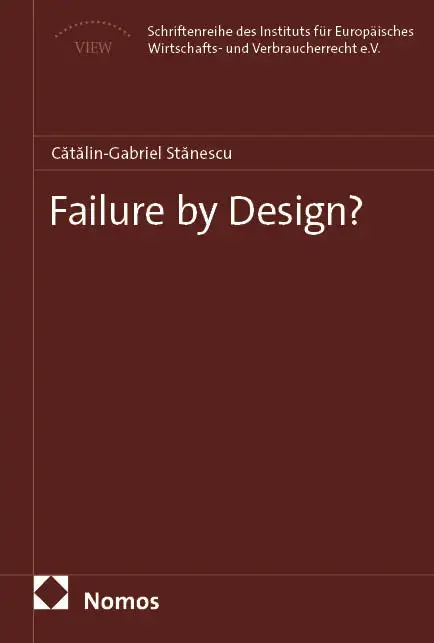
The book appeared in Romanian in 2025 with Editura Tact and was subsequently translated into German for publication with Nomos in 2026.
Links: Romanian edition | German edition
Why This Book Matters
This book begins from a simple but neglected problem: abusive informal debt collection is widespread, socially damaging, and insufficiently understood. Rather than treating the issue as a narrow matter of compliance or unfair practice, it situates debt collection within the wider machinery of consumer credit, debt sales, financialisation, and institutional design. It asks not only whether the law fails, but why it fails, and to whose benefit.
The argument is deliberately systemic. It moves from the history and structure of debt collection, through the empirical landscape of debt markets and over-indebtedness, to a critical examination of the fragmented EU framework and the policy choices that have allowed abusive practices to persist.
Selected Reviews
“The variety of situations analysed and their impact on legal evolution are elements that will certainly make this book a landmark in scientific works on this topic.”
“[...] it is hard to imagine future work in the area which does not refer to this text.””
“The book raises real issues and offers an explanatory paradigm with which one may not agree entirely, but which cannot be ignored. ”
“The book can be recommended without hesitation as essential reading for a very broad audience, including not only lawyers, but also journalists, politicians, sociologists, and economists interested in finance, debt, and informal debt collection.”
You can read the full reviews by clicking the links below:
Sandra Annette-Booysen | Carmen Tamara Ungureanu | Radu Rizoiu | Liviu Damsa |
Talks and Events
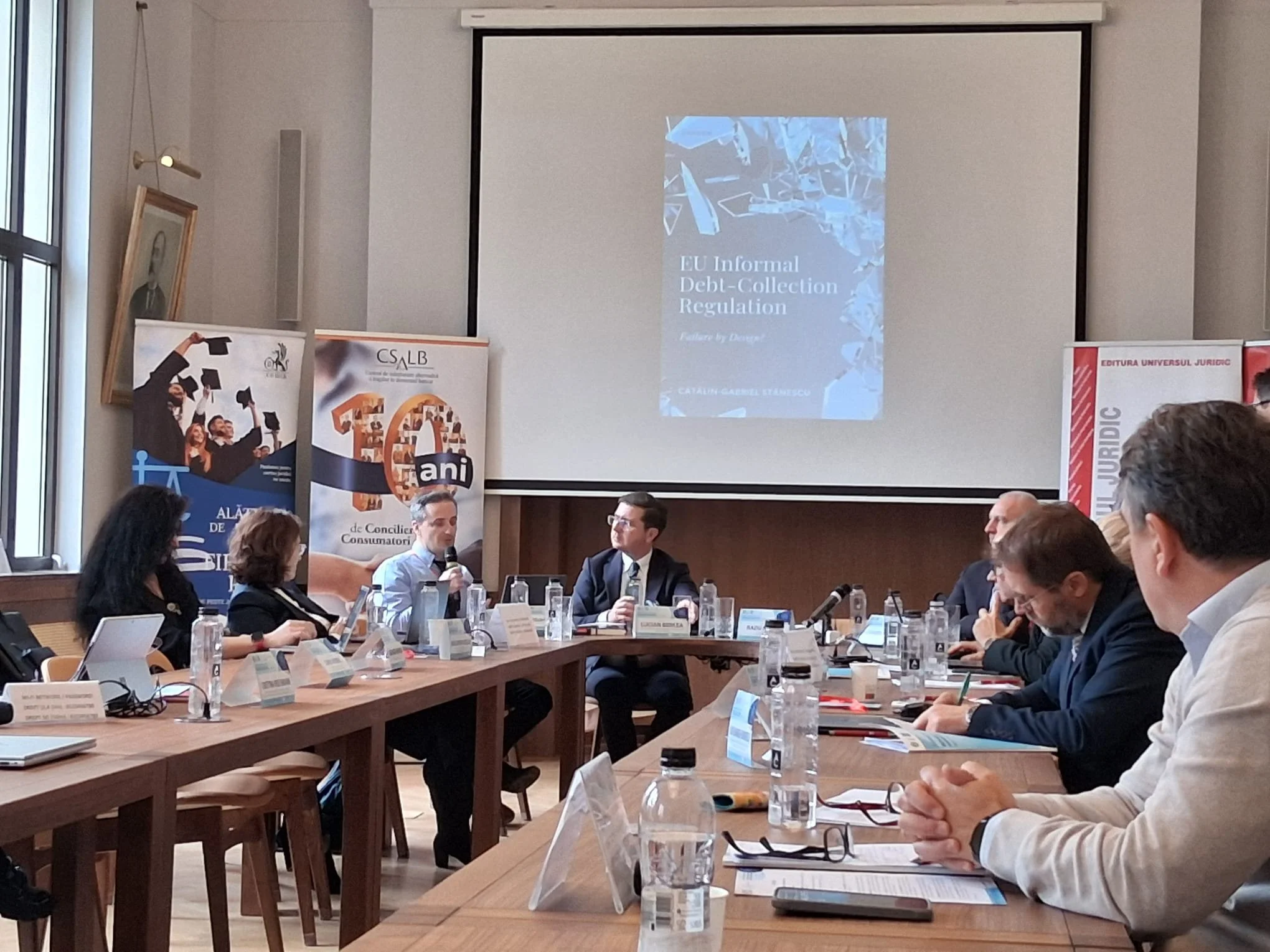
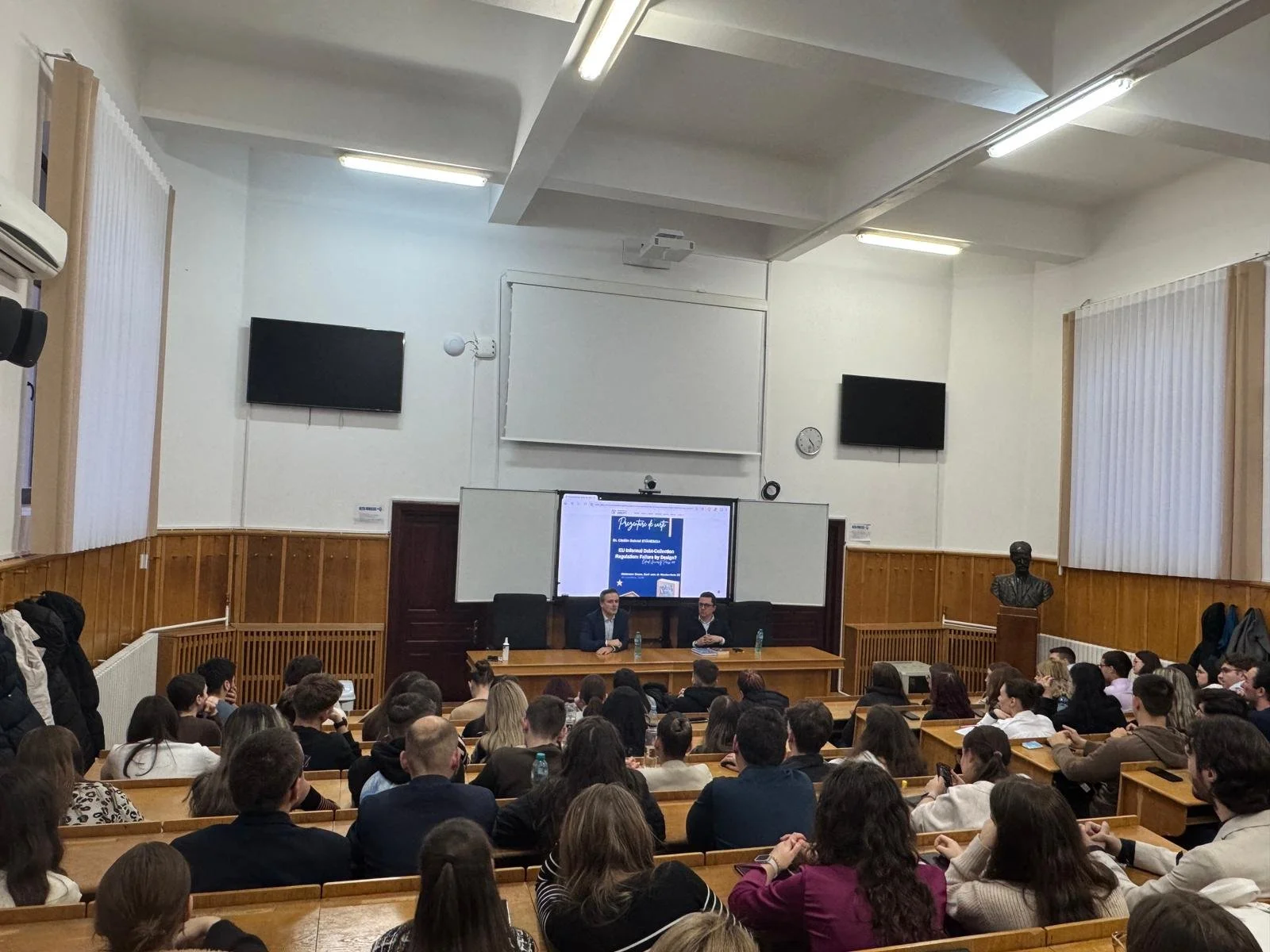
The book has also been the subject of invited book talks and launch events, including events at Brunel University of London and the University of Reading, at Al. I. Cuza University in Iasi and at the Romanian National Forum for Banking Law. These engagements reflect the book’s reach across academic and professional audiences.